


Introduction
Turkish competition enforcement has entered a phase in which the Turkish Competition Authority’s (“Authority”) most consequential interventions increasingly arrive before, rather than after, a finding of infringement. This Summer 2026 edition of the Paksoy Turkish Competition Law Newsletter covers eight developments spanning digital markets policy, merger remedies, physical access to retail infrastructure, labour market information exchange, AI distribution channels, procedural cooperation obligations and the transition between fining regimes. A common thread runs across them. The Turkish Competition Board (the “Board”) is intervening earlier, prescribing conduct with greater specificity and building monitoring and verification infrastructure into the remedies it accepts, whilst the administrative courts, in parallel, are tightening the discipline that governs how those interventions are ultimately priced.
We open with the Authority’s Digital Age Competition Policies Workshop, convened on 26 June 2026. Formally a consultation exercise, the Workshop is better understood as the Authority’s clearest public statement to date on where digital competition policy is heading, particularly when read alongside the sector inquiry into the artificial intelligence ecosystem launched in April 2026 and the forthcoming Digital Age Competition Policies Report. The sessions addressed the balance between ex ante and ex post intervention, the evidentiary difficulties raised by algorithmic pricing, data asymmetries and interoperability, and for the first time in a Turkish competition law setting dark patterns and consumer choice architecture. Notably, participants openly acknowledged that existing frameworks may prove inadequate in harder algorithmic cases. For businesses operating in digital markets, the practical message is that the compliance questions of tomorrow are worth addressing today.
From policy to practice, we turn to the Board’s conditional clearance of Uber’s acquisition of Getir’s online food ordering and quick commerce businesses, granted on 19 June 2026 against a commitment to invest a total of USD 500 million in Türkiye. Following the Tofaş/Stellantis precedent, this marks a significant expansion of investment-based remedies in Turkish merger control, and it raises substantive questions that the reasoned decision will need to answer, namely, whether investment pledges restore rivalry, reduce entry barriers or constrain market power in the relevant market. The transaction must also be read alongside Uber’s control over Trendyol GO and, prospectively, its takeover offer for Delivery Hero and the pre-arranged transfer of Yemeksepeti to SSW Partners, which is a sequence that illustrates the familiar challenge of market power aggregated through successive acquisitions.
Our thematic piece examines what we regard as the most consequential development of the year in fast-moving consumer goods enforcement: the emergence of a standardised shelf and cooler allocation model. Read together, the Unilever/Magnum interim measure, the Coca-Cola Türkiye commitments and the Haribo interim measure reveal a converging remedial architecture built on mandatory allocation ratios calibrated to market characteristics, physical segregation of competitor space, consumer-facing labelling and documentary proof of compliance. The shift is a conceptual one, that is, from prohibiting exclusionary conduct to prescribing affirmative access obligations, with compliance costs extending well beyond legal implementation into field audits, retailer training and continuous supervision of in-store execution.
The VINDEX decision addresses a rather different question: what happens when an undertaking simply stops responding. Facing concordat proceedings, the loss of personnel and offline IT systems, VINDEX failed to answer successive information requests over nearly seven months. The Board declined to treat financial distress as a justification, imposed the base fine under Article 16(1)(c), and, in a step that deserves close attention, obtained the certified income statement required for the fine calculation directly from the Revenue Administration. For undertakings in restructuring or insolvency proceedings, the message is unambiguous: the investigation does not pause, and withholding financial statements will not prevent a fine from being calculated.
We then examine the Meta/WhatsApp AI proceedings, in which the Board opened a formal investigation and simultaneously imposed interim measures requiring Meta to establish access conditions for third-party AI assistants that are not practically or economically infeasible. The case situates Türkiye within a genuinely global enforcement wave alongside the European Commission, Italy’s AGCM, Brazil’s CADE and the COMESA Competition Commission, and it engages several overlapping theories of harm: refusal to deal, tying, self-preferencing and ecosystem leveraging. It also confirms a broader domestic trend towards the more frequent use of interim measures in digital markets where the Board considers that competitive harm may become irreversible.
Remaining with META, but at the opposite end of the procedural lifecycle, the Board has confirmed that META’s proposed relaunch structure for Threads complies with the commitments made binding in November 2024, permitting users either to access Threads through their Instagram account or to create a standalone account without data combination. Where the WhatsApp proceedings show the Board intervening at the outset of a case, the Threads decision shows it supervising the aftermath of one. The commitment mechanism functions not merely as a means of closing an investigation, but as a continuing supervisory tool governing an undertaking’s re-entry into a market it had voluntarily exited. The decision also underlines that a technically available alternative will not suffice unless it offers users genuine and functional choice.
Labour markets feature next, in a decision that will attract debate. The Board found that Med Yapım and Ay Yapım had exchanged competitively sensitive information on employee wages and concluded the investigation through settlement, imposing fines of TRY 75.8 million and TRY 47.8 million respectively. The infringement lasted nineteen days, rested on three WhatsApp messages, and bore no connection whatsoever to the output deal allegations that prompted the on-site inspection. The Board declined to apply any mitigating factor and calculated the fines on total gross revenues rather than a workforce-related base, leaving the appropriate turnover for labour market infringements an open and consequential question.
We close with CHI Kozmetik and the lex mitior principle. The 9th Administrative Court of Ankara upheld the Board’s resale price maintenance finding but annulled the fine, holding that the Board was required to compare the repealed and new fining regulations as a whole and apply the more favourable regime, notwithstanding that the new regulation entered into force after the contested decision was adopted. On re-examination, the Board found neither regime more favourable and, applying the prohibition of reformatio in peius, maintained the fine at TRY 93,776.19. The judgment is directly relevant to every pending appeal spanning the transition.
This issue covers considerable ground. We have sought to combine analytical depth with direct practical relevance across each of the topics addressed, and we hope readers find it a useful guide to an enforcement environment that is becoming both more interventionist and more procedurally exacting.
by Togan Turan

Introduction
On 26 June 2026, the Turkish Competition Authority (“Authority”) convened its long-awaited Digital Age Competition Policies Workshop[1], concluding a policy initiative first announced on 14 April 2026[2]. The Workshop stands as part of a wider and more ambitious regulatory programme taken together with the sector inquiry into the artificial intelligence ecosystem launched on 7 April 2026[3] and the Digital Age Competition Policies[4] initiative – whose planned output is a comprehensive report updating and expanding the Authority’s earlier analytical work on digital markets – it represents a coherent and deliberate declaration of institutional direction rather than a series of unconnected events.
Although formally structured as a consultation exercise, the Workshop carries broader significance as the Authority’s clearest public statement yet on where digital competition policy is heading. This article analyses the key themes and policy signals to emerge from it and considers what they mean for businesses operating in digital markets.
Background and context
The significance of the Workshop lies not merely in the subjects discussed, but in the institutional process that preceded it. When the Authority announced its Digital Age Competition Policies initiative only two months prior, it expressly stated its intention to conduct a comprehensive assessment of the challenges created by digital markets before determining the appropriate regulatory response. That sequencing was deliberate: diagnosis before prescription.
The structure of the Workshop programme reflects this objective. Rather than examining individual enforcement cases, the three sessions addressed broader structural questions: the future balance between ex ante and ex post intervention, the adequacy of existing competition law tools for digital markets and the competitive implications of artificial intelligence. This indicates that the Authority is seeking first to establish an overarching policy framework before considering specific legislative or enforcement initiatives.
The participation of Trade Minister Ömer Bolat further underlined the broader economic stakes. Although his remarks focused primarily on Türkiye’s expanding digital economy rather than competition law itself, the figures he presented illustrate why digital markets have become a regulatory priority: e-commerce volume has reached TRY 4.57 trillion, retail e-commerce accounts for TRY 2.46 trillion, more than 634,000 businesses operate within the digital ecosystem, and almost three quarters of e-commerce undertakings already use artificial intelligence technologies[5]. The emphasis on maintaining fair competition while supporting innovation reflects a policy objective that extends well beyond traditional antitrust enforcement.
Ex ante or ex post? The Authority’s emerging regulatory direction
The first session addressed perhaps the most fundamental policy question currently facing competition authorities worldwide: whether traditional ex post enforcement remains sufficient for digital markets or whether ex ante regulation has become necessary.
The discussions demonstrated considerable awareness of international developments, particularly the European Union’s experience under the Digital Markets Act (“DMA”). This was especially relevant given that the Authority has also prepared a draft amendment to Law No. 4054 on the Protection of Competition[6], inspired by the DMA, which would introduce potential ex ante obligations for gatekeepers – large digital platforms that control important access points between businesses and end users and enjoy significant and durable market power. Participants acknowledged that the DMA provides valuable lessons regarding early intervention, market contestability and the limitations of purely enforcement-based approaches. At the same time, the discussions stopped short of advocating the wholesale transplantation of the European model into Türkiye.
Instead, a more nuanced approach emerged. Large digital platforms highlighted the importance of preserving innovation incentives and argued that any regulatory intervention should be grounded in careful impact assessments while taking account of Türkiye’s own market characteristics. Any future framework should remain transparent, predictable and sufficiently flexible to accommodate rapidly evolving digital markets.
Conversely, other participants stressed that certain competition problems – particularly those arising from market tipping – may become irreversible if intervention is delayed until after the harm has crystallised, making proportionate early regulatory tools not merely desirable but necessary.
Perhaps most significantly, the session did not present ex ante and ex post enforcement as mutually exclusive alternatives. Rather, the discussions suggested that the Authority is exploring how both approaches might coexist within a coherent policy framework. This reflects an emerging understanding that traditional competition law remains indispensable, while additional regulatory instruments may become necessary for specific categories of digital markets.
Algorithmic pricing and the collusion question
A second major theme was the growing role of algorithms in commercial decision-making and the competition law challenges they raise – an area the session treated as genuinely unresolved rather than merely technically complex.
Participants examined whether existing competition law concepts remain capable of addressing situations where pricing algorithms facilitate market coordination without any explicit communication between competitors. In particular, the discussions recognised the evidentiary difficulties associated with proving collusion where algorithms independently adapt to market conditions or continuously optimise commercial strategies.
The session did not attempt to resolve these questions, nor did it propose legislative solutions. Existing enforcement tools were considered adequate for conventional concerted practices, but participants openly acknowledged that autonomous algorithmic interaction and machine learning raise doctrinal challenges that current frameworks were not built to handle – and the Authority’s own recent cases illustrate just how live those challenges are. In its Amazon ruling[7], the Turkish Competition Board (“Board”) found no infringement in a price-matching mechanism given its voluntary and rule-based character, though Amazon ultimately withdrew the tool from the Turkish market entirely; Trendyol and Hepsiburada had previously settled on terms requiring removal of the “match buybox price” option. In the more recent TEMU case[8], while the concerns raised were vertical rather than collusive in nature, the Board’s analysis of an algorithmic traffic allocation system pushing sellers towards suggested prices – which it found to function, in practice, as a de facto most-favoured-customer clause – demonstrates that algorithmic pricing mechanisms can give rise to distinct and equally serious competition concerns beyond the coordination context; the Board nonetheless declined to open a formal investigation given TEMU’s limited market share.
Taken together, the emerging enforcement practice and the Workshop discussions point in the same direction: the Authority is alert to the range of competition concerns that algorithmic pricing tools can generate, and the admission that existing frameworks may prove inadequate in harder cases is more significant than it might first appear. It signals that the Authority has begun engaging seriously with one of the most debated questions in modern competition law: how the rules should respond when coordination emerges not through human agreement but through increasingly autonomous technological systems – a question that, for now, remains open.
Data asymmetry
Across the second and third sessions, data emerged as perhaps the most structurally significant competitive resource in the digital economy – and one that existing competition frameworks were not designed to fully address.
Discussions focused extensively on the role of data within digital ecosystems, particularly the competitive advantages enjoyed by large platforms possessing extensive datasets and sophisticated analytical capabilities. A recurring theme was the growing overlap between competition analysis and data governance: questions about how data is collected and used can no longer be treated as purely regulatory matters sitting outside the scope of antitrust scrutiny.
Data portability and interoperability received considerable attention in this context. Rather than treating these concepts as purely technical issues, the participants framed them as mechanisms capable of reducing entry barriers and facilitating competition between platforms. Cloud infrastructure and data centres were similarly identified as essential inputs for artificial intelligence development, with participants highlighting the structural disadvantages faced by emerging innovators relative to established technology companies with existing data and infrastructure advantages.
One notable point to emerge from the closing remarks was that open-source technologies alone are unlikely to resolve these asymmetries. The more promising avenue, participants suggested, lies in practical mechanisms that allow users and businesses to move data freely and interact across competing ecosystems. The Authority’s treatment of these issues as competition concerns – rather than solely matters of digital regulation – marks a meaningful extension of its analytical framework.
Dark patterns and consumer choice architecture
Competition in digital markets is not determined by price alone. It is shaped by the architecture through which consumers encounter, evaluate and act upon their choices – and the Workshop’s treatment of dark patterns reflected a growing recognition of this reality.
Participants examined interface designs that intentionally exploit user choices and behavioural biases to steer consumers towards commercially preferred outcomes, whether through manipulative consent flows, obscured opt-out mechanisms or artificially complicated cancellation processes. The underlying concern is a familiar one in behavioural economics, but its application within competition law remains relatively underdeveloped – and the session made clear that the Authority regards this gap as worth addressing.
No consensus emerged on the appropriate regulatory approach, though the discussions made clear that the Authority has begun considering whether existing competition law tools are sufficient to address these practices or whether earlier intervention may be warranted in specific circumstances. This debate mirrors broader international developments, where competition authorities increasingly assess not only market structure but also the behavioural mechanisms through which firms acquire and maintain market power.
That said, the Authority’s existing enforcement record suggests it has already begun engaging with these questions in practice – even if it has not yet treated dark patterns as a standalone competition law category. The Google Android decision[9] provides the clearest example: the Board found that contractual arrangements requiring Google Search to be set as the default provider and its search widget placed on the home screen reinforced and made durable the anti-competitive effects of Google’s tying conduct – with the Board expressly acknowledging users’ tendency not to change default settings, thereby treating initial device configuration as a mechanism capable of influencing downstream competition. The Trendyol case[10] added a further dimension, with the Board identifying serious findings that algorithmic interventions had favoured the platform’s own retail operation and that a lack of transparency concerning sponsored products could discriminate between sellers and restrict rivals’ ability to compete effectively. The Meta proceedings[11] extended this logic to consent and data-combination flows, with the compliance framework requiring accounts to be kept separate by default unless users affirmatively chose to connect them.
What the discussion does confirm is that the Authority’s conception of competitive harm is broadening. The design of digital environments – not merely their pricing or structural features – is increasingly understood as a dimension of competition that merits serious regulatory attention.
What should businesses do now?
The Workshop’s policy signals have practical consequences, and businesses operating in digital markets should not wait for formal legislation before reviewing their compliance frameworks. Three areas warrant immediate attention.
Algorithmic pricing and automated decision-making: Undertakings that rely on pricing algorithms or other automated commercial tools should review how those systems are governed. This means, at a minimum, maintaining clear documentation of how pricing tools are designed, what inputs they rely on, and how human oversight is exercised over their outputs. Where algorithms interact with competitor pricing data – whether directly or through a common intermediary – businesses should assess whether that interaction could be characterised as facilitating coordination, even absent any deliberate intent.
Data governance: Companies should reassess their data governance practices. In practical terms, this means reviewing whether data collected in one context is being used to reinforce competitive advantages in another, whether data-sharing arrangements with affiliates or third parties could attract scrutiny under existing merger or dominance frameworks, and whether current practices would withstand disclosure in the context of an investigation. Businesses with significant data assets should also monitor developments in the forthcoming Digital Age Competition Policies Report, which is likely to address these issues directly.
User interface design: Features that shape consumer choice architecture – including default settings, consent mechanisms and other behavioural design elements – may no longer sit safely outside the scope of competition compliance reviews. The inclusion of dark patterns within the Workshop agenda suggests that interface design is becoming a competition law question, not merely a consumer protection one. Businesses should audit high-traffic user flows – particularly those involving subscription sign-ups, consent collection, service cancellations and personalisation settings – to identify design elements that could be characterised as exploiting behavioural biases or obscuring consumer choices. The fact that no enforcement action has yet been brought in this area does not mean the compliance risk is remote; it reflects the early stage of the Authority’s analytical work rather than an absence of concern.
Conclusion
The Digital Age Competition Policies Workshop should not be viewed merely as an academic discussion concerning future regulatory possibilities. It represents the Authority’s clearest public statement to date regarding the issues likely to shape digital competition policy in the coming years – especially given that the Workshop forms part of a broader institutional programme that already includes an active sector inquiry into the AI ecosystem and a forthcoming Digital Age Competition Policies Report, both of which signal that the Authority is building the foundations for enforcement action and targeted regulation, not merely future legislation.
The most important takeaway is that the debate has moved on. The central policy question is no longer whether digital markets deserve special regulatory attention, but how any future framework should balance innovation, legal certainty and effective competition. Discussions concerning ex ante intervention, algorithmic pricing, data asymmetries, interoperability, artificial intelligence and behavioural design collectively suggest that the Authority is preparing for a more sophisticated regulatory environment – one in which traditional competition law may increasingly operate alongside targeted digital market rules.
While the Workshop did not appear to address the existing draft amendments to Law No. 4054 specifically, the discussions indicate that the appropriate balance between ex ante regulation and the existing ex post competition law framework remains an open policy question in Türkiye. How these discussions will ultimately translate into legislative or regulatory action remains to be seen. What is clear is that the direction of travel has become considerably more defined, even if the final destination has yet to be formally announced. Businesses would be well advised to treat the Workshop not as a preview of distant legislation, but as a signal that the compliance questions of tomorrow are worth addressing today.
by Tuba Yeşil, Mehmet Fırat Müezzinoğlu
The Board’s conditional clearance to the Uber/Getir transaction: A USD 500 million investment commitment and the reshaping of Türkiye’s online food delivery market

Introduction
On 19 June 2026, the Turkish Competition Board (“Board”) granted conditional clearance to Uber Technologies Inc. (“Uber”) for its acquisition of sole control over Getir Perakende Lojistik AŞ’s (“Getir”) (i) online food ordering and delivery services business and (ii) online fast-moving consumer goods ordering and delivery services business. Based on the official publication on the Authority’s website, the clearance was made subject to a commitment package submitted by Uber, the centrepiece of which is a pledge to invest a total of USD 500 million in Türkiye.
Whilst the reasoned decision has not yet been published, the Board’s announcement signals two notable developments: the acceptance, for the second time, of an investment-based commitment in merger control proceedings, following the precedent set by the Board’s Tofaş/Stellantis decision[12], and a fresh wave of market concentration concerns in Türkiye’s rapidly evolving online food delivery sector.
A second investment-based merger remedy: building on the Tofaş/Stellantis precedent
The commitment package accepted by the Board in the Uber/Getir transaction is particularly noteworthy from a procedural standpoint.
Pursuant to the Board’s announcement, Uber has committed to investing a total of USD 500 million in Türkiye. The investment is expected to support high-quality employment, strengthen local engineering capabilities, and contribute positively to the development of Türkiye’s digital and technology infrastructure. The Board appears to have assessed this forward-looking, economy-wide commitment as a sufficient counterweight to the competitive concerns arising from the transaction, a reasoning whose full legal basis and analytical framework will only become apparent upon publication of the reasoned decision.
Under Turkish merger control practice, commitments offered by notifying parties in Phase II reviews have traditionally centred on structural remedies, most commonly divestitures of overlapping business lines, whilst behavioural remedies addressing post-merger conduct have also become increasingly prevalent in recent practice. Whilst the Board’s earlier Tofaş/Stellantis decision introduced the concept of investment-based commitments into Turkish merger control, the present case represents a significant further application of this approach, both in terms of the scale of the investment and the nature of the competitive concerns it seeks to address.
This acceptance raises substantive questions that the legal community will follow closely. Investment commitments, by their very nature, do not directly address the structural harm caused by a concentration. They do not restore the number of market participants, reduce barriers to entry, or constrain the merged entity’s market power in the relevant market. Their effectiveness in remedying competition concerns therefore depends heavily on the monitoring and enforcement mechanisms established to ensure compliance, as well as whether the investment genuinely creates competitive conditions that offset the loss of rivalry. The reasoned decision will be critical in understanding how the Board has reconciled these tensions.
Potential market concentration and the Trendyol GO dimension
The competitive significance of the transaction cannot be assessed in isolation. Uber has recently acquired control over Trendyol GO[13], a rival platform offering food delivery and quick commerce services in Türkiye, through a separate transaction that was likewise assessed by the Board. With Trendyol GO already under its control and now acquiring Getir’s food delivery and quick commerce operations, Uber seems to be able to consolidate control over a significant portion of Türkiye’s online delivery ecosystem. The cumulative effect of these acquisitions, separate transactions evaluated at different points in time, illustrates a broader challenge familiar to competition authorities worldwide: the aggregation of market power through successive acquisitions, each of which may individually appear manageable, but which collectively reshape competitive dynamics in a market.
The Board’s decision to grant conditional rather than unconditional clearance signals that it identified substantive competition concerns warranting remedial action. Whether the accepted investment commitment adequately addresses these concerns, and whether the Board imposed any additional behavioural conditions, remains to be assessed upon publication of the reasoned decision.
A broader horizon: Uber’s acquisition of Delivery Hero and the fate of its Turkish subsidiary, Yemeksepeti
The competitive landscape in Türkiye’s quick commerce and food delivery market is set to undergo a further transformation as a consequence of a separate, global transaction. On 16 July 2026, Uber announced a voluntary public takeover offer for Delivery Hero SE at a cash consideration of €41.50 per share, implying an equity value of approximately USD 14.8 billion. The proposed combination would extend Uber’s platform to a total of 99 markets, with combined pro-forma gross bookings of USD 236 billion in 2025.
Of direct relevance to the Turkish market is Delivery Hero’s operation of Yemeksepeti, one of Türkiye’s most established online food delivery platforms. In connection with the takeover offer, Delivery Hero has entered into a separate agreement with SSW Partners, a New York-based investment firm, under which SSW will acquire Delivery Hero’s businesses in 14 markets where Uber Eats and Delivery Hero already overlap, generating approximately USD 11 billion in gross bookings in 2025. Yemeksepeti in Türkiye is among the businesses to be transferred to SSW Partners for a consideration of approximately USD1.6 billion in aggregate across the 14 markets.
The structural logic of this arrangement is notable. By divesting the overlapping businesses to SSW Partners prior to the submission of merger control notifications, the parties appear to have structured the transaction in a manner that addresses the horizontal overlaps that competition authorities in the 14 affected jurisdictions, including Türkiye, would otherwise be expected to scrutinise. In Türkiye’s case, this means that the Turkish Competition Authority will be asked to assess not one but effectively two simultaneous concentrations: Uber’s acquisition of Getir (already cleared) and Uber’s acquisition of the Delivery Hero businesses in Türkiye, alongside the separate SSW Partners acquisition of Yemeksepeti.
The transfer of Yemeksepeti to SSW Partners raises important questions from a merger control perspective. As a private investment firm without prior operational presence in food delivery markets, SSW Partners’ capacity and incentive to maintain Yemeksepeti as an effective competitive force in the Turkish market will warrant careful assessment by the Turkish Competition Authority.
In assessing the SSW structure, the Authority will need to consider whether the arrangement ensures a credible and lasting competitive constraint in the relevant market. The pre-arranged nature of the divestiture and SSW’s role as acquirer will likely inform this analysis, and monitoring mechanisms and behavioural safeguards may be relevant in ensuring the competitive viability of Yemeksepeti under its new ownership.
Conclusion
Investment-based commitments in merger control, whilst not entirely novel following the Tofaş/Stellantis precedent, remain a developing area of Turkish competition law requiring careful scrutiny. The acceptance of a USD 500 million investment pledge as a merger remedy represents a significant expansion of this approach. Furthermore, the Uber/Getir and Uber/Trendyol GO transactions collectively alter the competitive landscape in Türkiye’s online food delivery market in a manner that merits careful market monitoring by the Authority going forward.
The reasoned decision, when published, will be essential reading for understanding the analytical and doctrinal framework underpinning the Board’s approach.
by Gamze Boran, Ece Ulusoy
Reserved for competitors: The Turkish Competition Board’s emerging shelf and cooler allocation model in FMCG markets

Introduction
The Turkish Competition Board (the “Board”) has, over the course of 2026, developed a markedly more interventionist approach towards exclusionary practices in fast-moving consumer goods (“FMCG”) markets. Rather than focusing exclusively on the legality of contractual exclusivity provisions or rebate schemes, the Board has increasingly sought to guarantee competitors’ physical access to points of sale through standardised behavioural remedies affecting shelves, stands and coolers. The result is an emerging enforcement model that requires dominant undertakings not merely to refrain from foreclosing rivals, but affirmatively to reserve part of their in-store sales infrastructure for competing products.
Three recent decisions illustrate this development. First, the Board imposed an interim measure against Unilever and Magnum requiring active allocation of cooler space to competing ice cream suppliers[14]. Second, the investigation against Coca-Cola Satış ve Dağıtım A.Ş. (“Coca-Cola Türkiye”) was concluded through commitments significantly expanding the existing cooler access regime[15]. Finally, in the Haribo investigation, the Board extended the same logic beyond coolers to confectionery stands by requiring the reservation of dedicated shelf space for competing brands. [16]
Taken together, these decisions suggest that the Board is converging towards a common remedial architecture built around mandatory allocation ratios, physical segregation of competitor products, enhanced transparency measures and documentary proof of compliance. Rather than reviewing each decision in isolation, this article examines how the three cases collectively reshape the Board’s remedial toolkit in FMCG markets.
The Unilever decision: From passive access to active allocation
The Unilever investigation originated from the Board’s 2021 decision[17], which had required Unilever to ensure that, where its cooler was the only consumer-accessible ice cream freezer in sales outlets below 100 m², 30% of the visible part of the cooler and total cooler capacity would be opened to competing products. Approximately four years later, the Turkish Competition Authority (“Authority”) launched a sector inquiry to assess whether Unilever had complied with the obligations imposed under the Board’s earlier decision, whether these obligations had generated meaningful competitive effects in practice and whether additional intervention had become necessary. The inquiry, supported by extensive market research, stakeholder interviews, questionnaires and requests for information, ultimately led the Authority to prepare an Initial Examination Report alleging both infringements of Articles 4 and/or 6 of Law No. 4054 and non-compliance with the remedy imposed in the Board’s 2021 decision which ultimately resulted in the opening of a formal investigation together with the adoption of interim measures.
The Board’s assessment materially departs from the assumptions underlying its 2021 decision. Whereas the earlier framework largely relied upon retailers choosing to display rival products, the Authority concluded that this passive access model had not sufficiently ensured effective market access. The decision recognises that merely removing contractual exclusivity does not necessarily translate into actual shelf availability where retailers lack incentives or awareness to allocate space to competing brands.
Accordingly, the Board observed that preserving competition requires rival suppliers to obtain genuine and visible access to cooler space rather than merely theoretical permission to place their products. The competitive concern therefore shifted from contractual restrictions towards the practical implementation of access obligations.
The Board’s broader assessment also underlines why interim measures were considered necessary. According to the decision, the seasonal nature of the impulse ice cream market significantly increases the risk of irreparable competitive harm. Since the majority of annual sales occur during the summer season, any delay in restoring competitive access could not later be compensated through ordinary investigation procedures. Consequently, the Board required Magnum to reserve 30% of each relevant cooler as a single visible block marked with the statement “This area is reserved for competitor products”, even where no competing products were immediately available, with retailers retaining the possibility of increasing this allocation to 50% upon request. The decision therefore transforms the previous passive access obligation into an active allocation mechanism that no longer depends upon retailer initiative.
The Coca-Cola Türkiye commitments
The Coca-Cola Türkiye commitments demonstrate how the Board expects such access obligations to operate once incorporated into a comprehensive compliance programme. Building upon the cooler access rule introduced in 2021[18], the commitments expanded competitor access from 25% to 35% of cooler capacity and clarified that the existence of another customer-owned cooler would not prevent application of the rule[19].
More importantly, the commitments significantly strengthened implementation mechanisms. Competitor space must be physically separated through vertical dividers, labelled accordingly and supported by detailed guidance materials accessible through QR codes. Compliance is reinforced through independent third-party measurement reports, while repeated retailer non-compliance may trigger progressively reduced product deliveries. The commitments also prohibit Coca-Cola Türkiye from monitoring which competing products occupy the allocated area and prevent any stickers or promotional materials from obstructing the visibility of rival products.
Accordingly, the commitments move beyond simple space allocation by introducing an extensive compliance, monitoring and verification framework that substantially increases the practical effectiveness of the access obligation.
The Haribo interim measure
The Haribo interim measure demonstrates that the Board’s intervention is no longer confined to refrigerated products. Within the ongoing investigation initiated on 5 March 2026 into whether Haribo infringed Articles 4 and/or 6 of Law No. 4054 in the soft confectionery market, the Board required Haribo to reserve 30% of the visible area of all stands located in traditional outlets of 200 m² or below for competing brands that do not have their own stands at the relevant sales point. As in the Magnum decision, the allocated area must constitute a single vertical block and bear the label “This area is reserved for competitor products”. Haribo must implement and document compliance within one month following notification of the reasoned decision, failing which administrative fines may be imposed.
Importantly, the interim measure represents the third step in the Board’s emerging FMCG access-remedy framework, following the Frito Lay decision[20] and Unilever/Magnum cases, and confirms that mandatory shelf-sharing obligations are increasingly being used as a standard interim tool to preserve competitive access pending the outcome of investigations. The merits of the case remain to be determined in the Board’s final decision.
A Standardised FMCG remedial architecture?
Viewed together, the three decisions reveal remarkable convergence despite relying upon different procedural instruments. Unilever and Haribo involve interim measures adopted during ongoing investigations, whereas the Coca-Cola Türkiye case concluded through commitments. Nevertheless, all three employ substantially similar remedial components.
First, each decision requires a predefined percentage of physical sales infrastructure to be reserved for competing products (30%, 35% or, where applicable, up to 50%). These ratios are not arbitrary; each reflects the Board’s assessment of the competitive constraints characterising the relevant market and the practical conditions necessary to ensure meaningful rival access.
In the Unilever case, the baseline 30% allocation was retained for single-cooler outlets below 100 m², reflecting the Board’s assessment that impulse ice cream markets are characterised by strong dependence on freezer visibility, limited retail space and pronounced seasonal demand. The possibility of increasing the reserved area to 50% upon the retailer’s request further recognises that, in certain outlets, effective competition may require a greater degree of physical access where consumer choice would otherwise remain constrained. By contrast, the Coca-Cola Türkiye commitments increased the allocation threshold to 35% following an extensive assessment of the structure of the traditional retail channel, the prevalence of supplier-owned coolers and the practical operation of the earlier access regime. Rather than adopting a uniform percentage across sectors, the Board therefore appears to calibrate allocation ratios according to market characteristics, retail infrastructure and the degree of access required to restore effective competitive conditions.
The principal difference, however, lies not only in the intensity of implementation but also in the procedural instrument selected by the Board. The Unilever and Haribo cases both rely on interim measures adopted during ongoing investigations, reflecting the Board’s assessment that delaying intervention until the conclusion of the proceedings would risk irreparable competitive harm. In Unilever, this assessment was closely linked to the characteristics of the impulse ice cream market, including its pronounced seasonality, the competitive significance of single-cooler outlets and the limited opportunity to restore lost competitive conditions once the summer season had passed. By contrast, the Coca-Cola Türkiye case was resolved through commitments, allowing the Board to address the identified competition concerns by making a negotiated remedy package binding without reaching a final infringement finding. This distinction has important practical implications for businesses. Interim measures provide immediate relief while leaving the infringement assessment open, whereas the commitments procedure offers undertakings the possibility of resolving competition concerns and securing procedural certainty without a formal finding of infringement, provided that the proposed remedies adequately eliminate the Authority’s concerns. The Board’s choice between these instruments therefore appears to depend not only on the substance of the competitive concern, but also on the urgency of intervention and the suitability of negotiated commitments to restore effective competition.
Collectively, these decisions indicate that the Board has moved beyond reviewing exclusivity clauses in isolation. Instead, it increasingly seeks to guarantee competitors measurable, visible and enforceable physical access to retail space.
Compliance implications
Perhaps the most significant practical implication emerging from the three cases is that compliance no longer ends with reserving physical space for competing products. Instead, the Board increasingly expects undertakings to establish operational systems capable of implementing, monitoring and evidencing compliance on a continuous basis.
The Coca-Cola Türkiye commitments illustrate this evolution most clearly. The obligations extend well beyond increasing competitor access from 30% to 35% of cooler capacity. The commitments require the installation of physical dividers separating competitor products, mandatory consumer-facing labels, QR-code based information materials explaining the cooler access regime, updated planograms and guidance for sales personnel. Compliance must furthermore be supported by independent third-party measurement reports verifying the correct implementation of the access rule, while repeated retailer non-compliance may ultimately lead to graduated commercial responses, including reduced product deliveries.
Although the Unilever and Haribo interim measures do not establish compliance mechanisms of comparable sophistication, they similarly impose ongoing operational obligations rather than one-off structural changes. Both require the reserved area to remain visibly identifiable through dedicated labelling, prohibit the undertaking’s own products from occupying the allocated space and, where applicable, require the reserved area to remain empty in the absence of competing products. In the Haribo case, the undertaking must also demonstrate implementation within one month following notification of the reasoned decision, reinforcing that compliance is expected to be both observable and verifiable.
Taken together, these decisions suggest that the Board increasingly regards behavioural remedies as requiring an accompanying compliance infrastructure. For dominant FMCG suppliers, future compliance costs are therefore likely to extend beyond legal implementation to encompass field audits, retailer training, documentation, monitoring systems and continuous supervision of in-store execution. In practical terms, ensuring effective compliance may become as operationally significant as the substantive obligations themselves.
Conclusion
The Unilever, Coca-Cola Türkiye and Haribo decisions collectively mark the emergence of a standardised remedial approach in Turkish FMCG enforcement. While the underlying investigations concern different products and procedural mechanisms, they converge around a common objective, namely, ensuring effective competitor access through mandatory physical allocation of retail infrastructure.
Perhaps the most significant development is the Board’s transition from prohibiting exclusionary conduct to prescribing affirmative access obligations. Reserved allocation ratios, mandatory labelling, documentary verification and enhanced monitoring are no longer exceptional remedies but increasingly appear to constitute the Board’s preferred toolkit where dominant FMCG suppliers control strategically important retail infrastructure. As a result, undertakings operating through branded coolers, shelves or display stands should expect future competition law compliance to extend well beyond contractual arrangements and encompass the practical organisation, documentation and ongoing supervision of physical retail space itself.
by Fırat Eğrilmez, Mehmet Fırat Müezzinoğlu
When financial distress does not excuse non-cooperation: The Turkish Competition Board’s decision on VINDEX

The Turkish Competition Board (the “Board”) has issued a notable decision sanctioning VND Global Plastik AŞ (“VINDEX”) for its failure to respond to information requests made during an active competition investigation. Delivered unanimously on 28 August 2025 and numbered 25-32/750-445, the decision concerns VINDEX’s refusal to provide the information and documents requested in connection with an investigation into alleged violations of Article 4 of Law No. 4054 on the Protection of Competition (“Law No. 4054”).
What makes this decision particularly instructive is that VINDEX cited its ongoing concordat proceedings, absence of personnel, and IT system failures as grounds for its inability to comply, yet the Board ultimately declined to accept these as sufficient justification. A monetary fine equivalent to one per thousand of VINDEX’s 2024 annual gross revenue was imposed pursuant to Article 16(1)(c) of Law No. 4054.
Background
The origins of the case lie in a preliminary investigation initiated on 14 March 2024, which examined whether Koroplast Temizlik ve Ambalaj Ürünleri San. ve Dış Tic. AŞ had violated Article 4 of Law No. 4054 by determining the resale prices of its buyers. Following that preliminary investigation, the Board launched a full-fledged investigation on 20 December 2024 against Koroplast, Provel Tüketim Ürünleri San. ve Tic. AŞ (“PAREX”), and VINDEX, all active in the production, sale, and distribution of products in the cleaning and hygiene category. To support a more detailed analysis during the investigation phase, the Board’s case team directed a series of information requests to VINDEX. VINDEX’s consistent failure to respond across a period of nearly seven months gave rise to the present decision.
A chronicle of non-cooperation
The procedural timeline is striking for both its persistence on the part of the case team and the systematic unresponsiveness of VINDEX.
The first information request, dated 24 January 2025, asked VINDEX to submit average sale prices, cost items, and production volumes for the years 2021 through 2024 in three separate Excel templates, with a deadline of 24 February 2025. A second request followed shortly after on 17 February 2025, covering detailed explanations of distribution channels, sales volumes by channel, and sample copies of all distributor and dealer agreements concluded in 2022, 2023, and 2024, again due by 24 February 2025.
No substantive response was received to either request. Repeated telephone attempts to reach VINDEX’s Chairman of the Board of Directors proved unsuccessful. An email was ultimately sent on 4 March 2025 warning of the legal consequences of non-compliance and granting a further extension until 10 March 2025. The Chairman responded by email on 10 March 2025, explaining that VINDEX was in concordat proceedings, faced possible closure by the end of March, had no available personnel, could not pay office rent, was operating out of a virtual office, and had its IT systems offline, and on this basis requested until the end of the month to respond.
The case team accepted the explanation and granted VINDEX an extended deadline until 7 April 2025. VINDEX again failed to deliver any response within that period.
A third information request was therefore sent on 16 June 2025, repeating the earlier requests and additionally asking for VINDEX’s current registered address, an up-to-date organisational chart, confirmation of whether the company remained operationally active, and a detailed explanation of its concordat proceedings, with a deadline of 24 June 2025. The Chairman’s response, sent on 25 June 2025, did not provide any of the requested information. It instead noted that VINDEX had been taken over in 2023, had experienced numerous difficulties since then, and asked to be removed from the investigation file on the basis that the company was not in a position to pay any fine.
On 11 August 2025, following a further telephone call in which the Chairman indicated that VINDEX’s certified 2024 income statement could be obtained by contacting a particular staff member on holiday, the document was again not delivered and subsequent calls by the rapporteur team went unanswered.
Obtaining financial data through the revenue administration
Faced with VINDEX’s persistent non-compliance, the Authority took a practical step rarely highlighted in Board decisions. On 13 August 2025, the case team wrote to the Revenue Administration of Türkiye to request VINDEX’s certified income statement for 2024, which was duly provided on 21 August 2025.
This approach is noteworthy. It demonstrates that the Board is willing and able to draw on third-party governmental data sources to establish the turnover figures necessary for fine calculations, even where the undertaking under investigation offers financial distress as a reason for non-compliance. The Revenue Administration route effectively neutralises one of the key practical obstacles that financially troubled companies might otherwise invoke to frustrate fine calculations.
Legal assessment
Article 16(1)(c) of Law No. 4054 provides that a monetary fine shall be imposed where, in the course of applying Articles 14 and 15 of the same law, incomplete, incorrect, or misleading information or documents are provided, or where information or documents are not provided within the specified period or at all. The applicable fine is set at one per thousand of the undertaking’s annual gross revenue at the end of the financial year preceding the decision, or the nearest available financial year where that calculation is not possible.
The Board concluded that, despite repeated extensions and multiple attempts at contact, VINDEX had failed to provide its sales, cost, and distribution data, its registered address and organisational information, details of its concordat proceedings, and a certified income statement, and that the company had therefore not fulfilled its cooperation obligation vis-à-vis the Authority.
A further question arose as to whether a daily progressive fine under Article 17(1)(c) should also be applied, as that provision permits the Board to impose a daily fine of five ten-thousandths of annual gross revenue for each day of continued non-compliance. The Board determined that granting VINDEX an additional period and imposing a daily accruing fine was not necessary. Given that the requested data required accuracy and internal consistency for sound economic analysis, and given the circumstances of the concordat process and the months that had already elapsed, the reliability of any data subsequently submitted would be materially compromised. The Board therefore concluded that comprehensive and trustworthy collection of the information was no longer feasible, and capped the sanction at the one per thousand base level under Article 16(1)(c), without any daily accrual.
Key takeaways
Financial difficulty is not an exemption from cooperation. The Board made clear that concordat proceedings, loss of personnel, and operational disruption do not, of themselves, justify sustained non-compliance with information requests during an investigation. Where genuine impediments exist, undertakings must engage proactively and transparently rather than request successive extensions without delivering anything.
The Authority has alternative means of obtaining turnover data. The decision confirms that the Board is prepared to obtain financial information directly from the Revenue Administration when an undertaking fails to supply it. Undertakings should not assume that withholding financial statements will prevent the calculation of a fine.
Partial or delayed cooperation may preclude a daily fine, but it does not preclude the base fine. The Board’s decision to forgo the daily fine under Article 17 was not a concession to VINDEX. It reflected a recognition that data submitted at such a late stage would be unreliable and therefore unusable. The base fine remained firmly in place.
This decision serves as a precedent for financially distressed entities. Companies in restructuring or insolvency proceedings that are simultaneously subject to competition investigations should take note. The investigation does not pause, and cooperation obligations continue to apply regardless of a company’s financial position. Early engagement with the Authority, including transparent disclosure of the company’s actual circumstances and capacity, is far more effective than silence.
Overall, the VINDEX decision reinforces the Board’s commitment to ensuring that its information-gathering powers under Law No. 4054 are not rendered ineffective by strategic or circumstantial non-compliance, and it underlines the practical tools available to the Authority when undertakings fail to engage.
The Turkish language original of the VINDEX decision can be reached through the following Link.
by Oğulcan Halebak

Introduction
On 5 June 2026, the Turkish Competition Authority (“Authority”) announced[21] that the Turkish Competition Board (the “Board”) had, by its decision dated 14 May 2026, launched a formal investigation into Meta Platforms, Inc., Meta Platforms Ireland Limited, WhatsApp LLC and Meta Platforms İstanbul Bilişim Hizmetleri Limited Şirketi (collectively, “Meta”)’s integration of Meta AI into WhatsApp and simultaneously imposed interim measures requiring Meta to ensure viable access conditions for third-party AI assistants. The proceedings focus on whether Meta’s conduct in relation to the integration of Meta AI and the conditions governing third-party access to WhatsApp is compatible with Article 6 of Law No. 4054 on the Protection of Competition (“Law No. 4054”).
The case arises against the backdrop of increasing competition law scrutiny of access restrictions, platform ecosystems and the role of dominant digital platforms in emerging AI markets. This article examines the WhatsApp policies that gave rise to the investigation, the European Commission’s (“Commission”) parallel proceedings, the principal theories of harm raised by the conduct and the broader enforcement response unfolding across jurisdictions. It also considers what these developments may signal for businesses operating in AI markets and companies whose products depend on access to dominant digital platforms.
Factual and procedural background
WhatsApp’s evolving access policy
Until October 2025, third-party general-purpose AI assistants were permitted to offer services through the WhatsApp Business API, with Meta providing such access free of charge. Following amendments to the WhatsApp Business Solution Terms, providers of large language models, generative AI platforms and other general-purpose AI assistants were no longer permitted to use WhatsApp where AI-driven functionality constituted the primary purpose of the offering. Under the revised terms, the use of AI tools for auxiliary or supporting functions, such as automated customer support delivered through WhatsApp, remained permissible. The practical effect was to exclude providers of standalone general-purpose AI assistants from the platform whilst preserving access for AI operating as a secondary feature of a broader business service.
In March 2026, following intensifying regulatory scrutiny across multiple jurisdictions, Meta abandoned its outright prohibition but moved instead to a paid access model, conditioning third-party AI assistants’ use of the WhatsApp Business API on the payment of fees.
For third-party AI providers, these successive measures had significant competitive implications. The October 2025 policy eliminated a previously available and strategically important distribution channel at a critical stage in the development of the generative AI sector. The subsequent introduction of access fees further raised the question whether access remained economically viable in practice or instead became tantamount to a de facto exclusion. Taken together, these measures prompted concerns under competition law as to whether a dominant platform operator was leveraging its control over a key consumer-facing distribution channel to confer a competitive advantage on its own vertically integrated AI services to the detriment of rival providers.
Authority proceedings
Following these changes in WhatsApp, the Board opened a formal investigation into Meta under Article 41 of Law No. 4054 on 14 May 2026. The investigation examines whether Meta has abused its dominant position in breach of Article 6 of Law No. 4054 by integrating its own Meta AI service into WhatsApp whilst blocking or materially impeding third-party general-purpose generative AI chatbots and assistants from offering AI services as a primary service through the platform.
Critically, the Board did not stop at opening an investigation: finding serious evidence of a competition law infringement already at the preliminary examination stage, the Board simultaneously imposed an interim measure under Article 9(4) of Law No. 4054. Accordingly, Meta is required to establish conditions enabling third-party AI assistants to offer services through WhatsApp in a manner that is not practically or economically infeasible, with one month to comply from notification of the reasoned decision, failing which administrative fines pursuant to Article 17 shall be imposed.
From an enforcement perspective, the Meta/WhatsApp decision also forms part of a broader trend towards a more active use of interim measures by the Board. Although interim measures have traditionally been employed only sparingly, the Board has relied on this instrument with increasing frequency in recent years, particularly in cases involving digital platforms, data-related conduct and exclusionary practices. The decisions concerning WhatsApp/Facebook[22], Trendyol[23], Krea[24], Mackolik[25], Meta (Threads/Instagram)[26], Sahibinden [27]and Meta/WhatsApp illustrate the Board’s growing willingness to intervene at an early stage where it considers that the continuation of the alleged conduct may result in serious and irreparable harm before the conclusion of the investigation[28].
Competition concerns and theories of harm
The commission’s parallel proceedings and refusal to deal concerns
The Commission’s investigation arose directly from the same policy change that prompted the Authority’s action. In December 2025, the Commission opened a formal investigation into Meta’s conduct following the introduction of amended WhatsApp Business Solution Terms restricting third-party general-purpose AI assistants’ access to the WhatsApp Business API. On 9 February 2026, the Commission issued a Statement of Objections (“SO”) to Meta, setting out its preliminary competition concerns and indicating that interim measures were warranted.
The Commission appears to regard the exclusion of competing AI assistants from the WhatsApp Business API as a potential abuse of dominance in the form of a refusal to supply. A particularly significant aspect of the case is that Meta did not merely refuse to grant access for the first time but instead withdrew access that had previously been made available to third-party AI providers. In light of the distinction drawn by the Court of Justice in TeliaSonera[29] and Slovak Telekom[30] between an initial refusal to grant access and the withdrawal of pre-existing access, this feature of the case may prove legally significant. Whereas a finding of abuse in traditional refusal-to-supply cases generally requires satisfaction of the Bronner[31] indispensability criteria, the legal threshold may be less demanding where an undertaking withdraws access to infrastructure that it had previously and voluntarily opened to third parties.
The SO also raised concerns regarding the need for interim measures and the risk that irreversible harm to competitive market structures could arise if access remained unavailable during the Commission’s investigation. Following Meta’s transition to a paid access model in March 2026, the Commission issued a Supplementary SO expressing the preliminary view that the fee imposed on third-party AI assistants may be economically equivalent to an outright exclusion and therefore capable of constituting an abuse independently of the original restriction[32]. The SO further identified a risk of irreversible harm to competitive market structures if competing AI assistants remained unable to access WhatsApp during the investigation.
It is worth noting that, whilst the Board has not expressly characterised the conduct as a refusal to deal, its intervention appears responsive to many of the same access-related concerns identified by the Commission. In particular, the Board’s emphasis on ensuring access that is not “practically and economically infeasible” suggests a similar focus on preserving meaningful competitive opportunities for third-party AI providers.
Additional theories of harm
Whilst refusal to deal concerns appear to be central to the Commission’s case, the conduct under investigation may also be analysed through several other established theories of harm recognised under both Turkish and EU competition law.
A tying analysis would examine whether Meta has leveraged its dominance in consumer communications to bootstrap market share in the separate AI assistant market through pre-installation and default placement of Meta AI. The Italian Competition Authority (Autorita’ Garante della Concorrenza e del Mercato, “AGCM”), which was the first to act in this matter, characterised Meta’s conduct as imposing “the use of its chatbot and AI assistance services on its users without any prior request”, finding that Meta had channelled its customer base into the emerging AI assistant market “not through merit-based competition, but by ‘imposing’ the availability of the two distinct services upon users.”[33]
The conduct also raises concerns relating to self-preferencing. By conferring privileged native integration on Meta AI while restricting or limiting rival providers’ ability to access the same distribution channel, Meta may be favouring its own downstream AI services over competing offerings. Such conduct may distort competition in the AI assistant market regardless of whether a separate tied market can be established in the technical sense.
More broadly, the case may be viewed through the lens of ecosystem leveraging. Meta’s conduct draws upon competitive advantages accumulated across interconnected services, including WhatsApp, Facebook, Instagram and Meta AI, enabling the company potentially to reinforce and extend its position across multiple layers of the digital ecosystem simultaneously.
These concerns align closely with the themes identified in the Authority’s ongoing AI sector inquiry launched in April 2026[34], which explicitly focuses on the multi-layered structure of the AI value chain. The inquiry highlights the importance of platform ecosystems, user lock-in, access conditions, self-preferencing and exclusionary conduct as potential competitive risks arising from the integration of AI technologies into large digital platforms.
A global enforcement consensus
The Authority’s decision forms part of an increasingly coordinated international enforcement response spanning multiple jurisdictions.
AGCM opened its investigation on 30 July 2025 and, on 24 December 2025, ordered Meta to suspend its restrictions on competing AI assistants pending the outcome of the proceedings. The Italian Authority warned that Meta’s abrupt change in access conditions “hinders and significantly changes competitors’ development and investment plans, irreversibly impacting competition.” [35]
The Commission also pursued parallel proceedings, ultimately adopting interim measures requiring Meta to restore the pre-existing access conditions for competing AI assistants. This marked only the second occasion on which the Commission has imposed interim measures under Regulation 1/2003, following the Broadcom case in 2019.[36] The Commission’s preliminary position is that Meta holds a dominant position in the European Economic Area market for consumer communication applications and that both the original ban and the subsequent paid access model may amount to an abuse of that dominance.[37]
Outside Europe, Brazil’s CADE issued a temporary injunction in January 2026[38], albeit subsequently suspended by a Brazilian court; a complaint concerning substantially similar conduct was also filed before the COMESA Competition and Consumer Commission in January 2026[39].
Taken together, these developments reflect an increasing willingness among competition authorities to intervene where dominant digital platforms restrict access to key AI distribution channels. Across jurisdictions, competition authorities have demonstrated an increasing willingness to deploy interim measures to preserve competition and prevent potentially irreversible market effects pending the outcome of their investigations.
Competition law, DMA and AI markets
The competition concerns raised by the WhatsApp case also echo broader regulatory developments in Europe, particularly under the Digital Markets Act (“DMA”). Whilst the Turkish investigation proceeds under domestic competition law and the EU proceedings under Article 102 TFEU, the conduct under scrutiny closely resembles the types of practices that the DMA is designed to address. As a designated gatekeeper, Meta is subject to obligations aimed at preserving contestability and user choice across digital ecosystems, including restrictions on self-preferencing and requirements relating to interoperability. The allegations concerning WhatsApp therefore sit at the intersection of traditional competition law enforcement and the EU’s emerging ex ante regulatory framework for digital markets.
Nevertheless, the Commission has chosen to proceed under competition law rather than the DMA, in part because AI assistant services are not currently designated as a core platform service; a regulatory gap that this enforcement episode is likely to inform. The DMA’s scope may be extended to cover AI assistants as designated core platform services; the present proceedings effectively demonstrate the need for and potential direction of such an extension. For now, the case illustrates a critical principle: the DMA and competition law operate as complementary instruments, with competition enforcement capable of reaching conduct and markets that the newer regulatory framework does not yet explicitly cover.
Conclusion
The Board’s decision to initiate a formal investigation and impose interim measures simultaneously confirms Türkiye’s place within a broader global enforcement trend. Across jurisdictions, competition authorities are increasingly scrutinising the ability of dominant digital platforms to influence competitive outcomes in adjacent AI markets through the control of key distribution channels. The parallel proceedings involving the Authority, the Commission, AGCM and CADE suggest a growing convergence around several theories of harm, including access restrictions, self-preferencing, refusal to deal and ecosystem leveraging.
Whether these concerns ultimately result in findings of infringement remains to be seen. Nevertheless, the Meta/WhatsApp proceedings already demonstrate that access conditions governing digital ecosystems have become a central focus of competition enforcement in AI markets and that authorities are willing to intervene early where they consider that competitive harm may become irreversible before an investigation is concluded.
Key takeaways and compliance considerations
For businesses operating in AI and digital platform markets, the case highlights several practical compliance considerations.
First, contractual and technical access conditions should be assessed not only from a commercial perspective but also through a competition law lens. API terms, pricing structures, interoperability requirements and other access conditions may attract scrutiny where they materially affect rivals’ ability to compete.
Second, product integration and platform design decisions should be subject to early competition law review. Businesses should carefully evaluate whether the integration of proprietary AI services, the treatment of third-party providers or changes to platform access rules could give rise to allegations of foreclosure, self-preferencing or discriminatory treatment.
Third, companies should account for the increasing willingness of competition authorities to adopt interim measures in fast-moving digital markets. Conduct that may previously have been assessed primarily in the context of a lengthy substantive investigation can now give rise to immediate regulatory intervention where authorities perceive a risk of serious and irreparable competitive harm.
by Tuba Yeşil, Lara Akça
Turkish Competition Board clears threads’ relaunch under META’s binding commitments
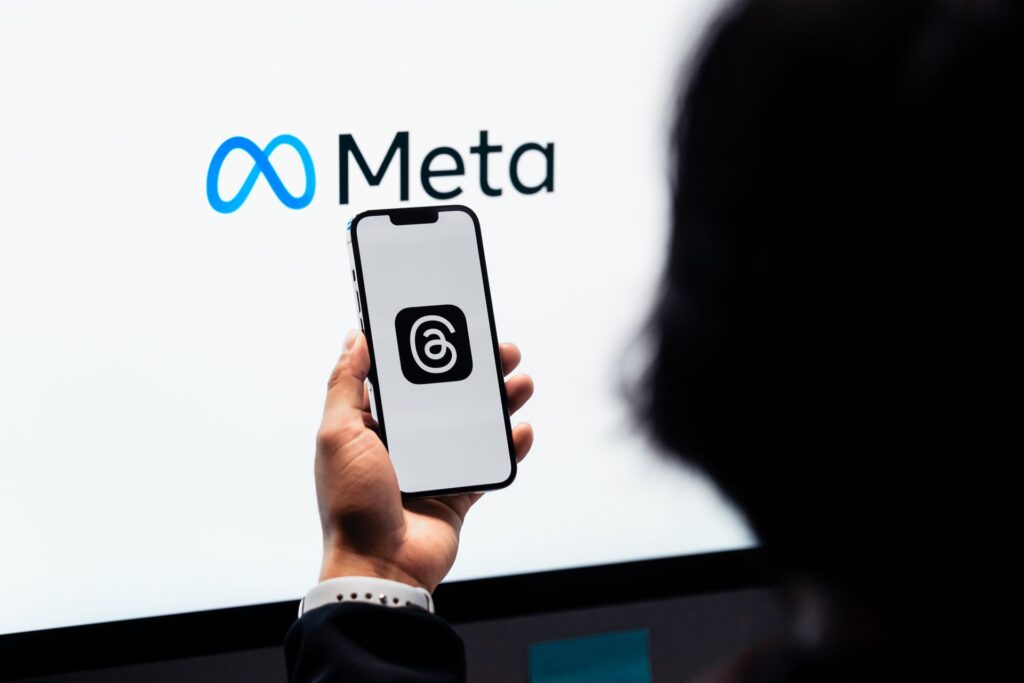
The Turkish Competition Board (the “Board”), in its decision dated 10 June 2026 and numbered 26-21/626-256, found that the structure proposed by Meta Platforms, Inc. (“META”) for relaunching the Threads application in Türkiye complies with the commitments previously made binding on META.
The decision paves the way for Threads to return to Türkiye. Users will be able to use the application either through their Instagram account or through a standalone account that is not linked to Instagram.
Background to the investigation
The process began with the Board’s decision dated 3 August 2023, initiating a preliminary inquiry into whether META had infringed Article 6 of Law No. 4054 on the Protection of Competition by tying Threads to Instagram.
During the preliminary inquiry, the Board identified concerns not only regarding tying but also the combination of user data between Threads and Instagram. The Board subsequently launched a full investigation into META on 23 November 2023.
During the investigation, the Board adopted an interim measure on 8 February 2024 requiring META to prevent data obtained through Threads from being combined with data obtained through Instagram. META then suspended Threads’ operations in Türkiye, with the result that the interim measure no longer required implementation. The Board nevertheless imposed an administrative fine on META for the period during which it had failed to comply with the interim measure.
The new structure introduced by the commitments
The commitments submitted by META to address the Board’s tying and data-combination concerns were made binding by the Board’s decision dated 7 November 2024 and numbered 24-45/1053-450, bringing the investigation to an end.
Under the commitments, META agreed that, if Threads were relaunched in Türkiye, users would be able to access the application without being required to hold an Instagram account.
The model approved by the Board will therefore offer users two alternatives:
- using Threads through an Instagram account; or
- creating a standalone Threads account using a mobile phone number, independently from Instagram.
Where a user chooses the standalone option, personal data obtained from that user’s Instagram account will not be combined with Threads data. The new structure is therefore intended to eliminate both the requirement to hold an Instagram account in order to use Threads and the automatic combination of data between the two platforms.
Why the decision matters
The decision is noteworthy because it demonstrates that the commitment mechanism may operate not only as a means of terminating an investigation, but also as an ongoing supervisory tool during the implementation of commitments and the subsequent re-entry of an undertaking into the market.
By assessing the proposed operating model before Threads’ relaunch, the Board effectively issued a form of “compliance confirmation” that the proposed steps were consistent with the binding commitments. The decision therefore represents a relatively rare example in Turkish competition law practice of the Board approving an undertaking’s return to the market following a voluntary suspension of its activities prompted by competition law concerns.
The decision also underlines the importance of providing users with a genuine and functional choice in cases involving tying and data combination in digital markets. The Board’s approach suggests that merely offering a technically available alternative may not be sufficient. The alternative must enable meaningful access to the service and effectively prevent the combination of data where the user opts for independent use.
by Selen Toma
Turkish Competition Board fines TV production companies over employee wage information exchange

Background
Pursuant to Article 40(1) of Law No. 4054 on the Protection of Competition (“Law No. 4054”), the Turkish Competition Board (“Board”) launched a preliminary investigation into Med Yapım Reklamcılık ve Filmcilik A.Ş. (“Med Yapım”) and Ay Yapım Radyo ve Televizyon Yapımcılığı A.Ş. (“Ay Yapım”), two of Türkiye’s most prominent television content production companies. The original referral to the Board arose from a complaint concerning alleged “output deal” arrangements in international content distribution conducted through MADD Entertainment (“MADD”), a joint venture vehicle used by both undertakings for foreign sales.
However, as detailed below, the infringement ultimately identified and sanctioned by the Board bore no connection to the subject matter of the initial complaint. Instead, the Board’s findings rested exclusively on evidence obtained incidentally during an on-site inspection, specifically, three WhatsApp messages exchanged between senior representatives of the two companies over a nineteen-day window in the summer of 2024.
By its decision[40], the Board concluded that Med Yapım and Ay Yapım had violated Article 4 of Law No. 4054 by exchanging competitively sensitive information relating to employee remuneration and terminated the investigation through the settlement procedure.
The on-site inspection and evidence obtained
The investigation was triggered by a complaint alleging that the two production companies had entered into “output deal” arrangements, exclusive forward-looking content supply agreements, through MADD for the international distribution of their television content. On the basis of this complaint, the Board authorised and conducted an on-site inspection at the premises of both undertakings.
During the course of that inspection, and entirely independently of the output deal allegations that had prompted it, case handlers encountered three WhatsApp messages exchanged between representatives of Med Yapım and Ay Yapım. The messages, dated between 19 July 2024 and 6 August 2024, contained exchanges regarding employee wages. The Board assessed these messages as evidence of a bilateral exchange of competitively sensitive information concerning labour costs, specifically, information that could reduce strategic uncertainty between competing employers in the same sector.
It is notable that the Board did not find sufficient evidence to substantiate the original “output deal” allegations that had initiated the investigation. The infringement on which the decision ultimately rests is therefore wholly distinct from and unrelated to the conduct that gave rise to the complaint and the inspection in the first place.
Legal assessment
The Board characterised the exchange of competitively sensitive information as a concerted practice restricting competition by object, falling within the scope of Article 4 of Law No. 4054, which prohibits agreements, concerted practices, and decisions of associations of undertakings that have as their object or effect the prevention, restriction, or distortion of competition.
The exchange of competitively sensitive information, even without a broader cartel agreement, is well established in Turkish competition law as capable of constituting a standalone infringement under Article 4. The Board treated the wage information shared between the two production companies as sensitive precisely because both undertakings compete for the same pool of talent (writers, directors, actors, and production crew), meaning that transparency on remuneration levels could facilitate coordination in the labour market and reduce competitive pressure on employment terms. In fact, given that the documents and findings obtained during the process were not specific to any particular employee group or position, the relevant product market was assessed by the Board as, at its broadest, the “labour market for workers employed in the TV series production sector”.
The Board classified the infringement as an “other infringement” (as distinct from a hardcore cartel infringement such as price-fixing or market allocation) for the purposes of applying the fine calculation framework under the Regulation on Fines. The infringement period was determined to be 19 days, corresponding to the timeframe between the first and last of the three WhatsApp messages exchanged between the two companies.
Notwithstanding the very short span of the infringement, the limited nature of the evidence (three messages), the fact that the infringement was unrelated to the original complaint, and the undertakings’ submissions in their defences, the Board declined to apply any mitigating factors to reduce the base fine. Each of the arguments advanced by the parties, including the brevity of the conduct, its incidental discovery, and its classification as a lesser category of infringement, was considered and rejected without being accorded any weight in mitigation.
One of the most significant and contested aspects of the decision concerns the revenue base used to calculate the administrative fines. The undertakings argued that, given the infringement related to the labour market (i.e., employment costs), the fine should be calculated by reference to their workforce-related revenues or costs, rather than their total gross revenues.
The Board rejected this argument and applied the fine to the undertakings’ total gross revenues. This approach, combining a broad revenue base with a classification as “other infringement” and a complete absence of mitigating factors, produced fines that many observers may regard as disproportionately severe relative to the scope and duration of the conduct.
The sanctions imposed
The Board concluded the investigation through the settlement procedure under Article 43 of Law No. 4054, pursuant to which each undertaking acknowledged the infringement and accepted the proposed fine in exchange for a 25% reduction on the base administrative fine.
Following the application of the settlement discount, the Board imposed a fine of TRY 75.8 million on Ay Yapım and TRY 47.8 million on Med Yapım, respectively.
The fines were calculated on the basis of each undertaking’s total gross revenues for the relevant financial year, applying the rate prescribed for “other infringements” under the Regulation on Fines to the Revenue Base. The settlement procedure brought the investigation to a close without the parties being required to contest the findings before the Board at a full hearing.
Conclusion
The Med Yapım / Ay Yapım Decision is significant for several reasons and merits close attention from undertakings and their advisers that operate in talent-intensive, competitive labour markets.
First, it establishes that information exchanges concerning employee remuneration between competing employers can constitute a standalone violation of Article 4 of Law No. 4054, even in the absence of any broader anti-competitive agreement. This is the first Turkish precedent of its kind in the media and production sector, and signals that the Board is prepared to pursue labour-market information exchanges with the same vigour applied to more traditional commercial cartels.
Second, the decision illustrates that on-site inspections may generate findings entirely unrelated to the conduct under investigation. The output deal allegations that triggered the inspection were ultimately unsubstantiated; it was the incidental discovery of three WhatsApp messages on a wholly different subject that gave rise to the infringement finding. Undertakings should bear this in mind when managing internal communications in any environment where a regulatory investigation, however distant in subject matter, is a possibility.
Lastly, the fine calculation methodology adopted in the decision is likely to generate debate. The Board’s refusal to calculate the fine by reference to workforce-related revenues, despite the infringement being confined to the labour market, and its simultaneous rejection of all mitigating arguments, resulted in substantial penalties for conduct lasting less than three weeks in duration. As such, the question of whether the relevant turnover for labour-market infringements should be total gross revenue or a more narrowly defined workforce cost base remains an open one.
by Göktuğ Selvitopu, Ceren Özkorkut
The more favourable fining regime? CHI Kozmetik revisited

Background
On 13 April 2023, the Turkish Competition Authority (the “Authority”) initiated a full-fledged investigation to determine whether CHI Kozmetik İthalat İhracat San. ve Tic. A.Ş. (“CHI Kozmetik”)[41] had infringed Article 4 of Law No. 4054 on the Protection of Competition (“Law No. 4054”) by engaging in resale price maintenance (“RPM”) activities vis-à-vis its dealers. Following the investigation, the Turkish Competition Board (the “Board”), by its decision dated 21 May 2024 and numbered 24-23/549, concluded that CHI Kozmetik had infringed Article 4 of Law No. 4054 and imposed an administrative monetary fine on the undertaking amounting to TRY 93,776.19.[42]
The Board further held that RPM constituted a hardcore restriction and therefore could not benefit from either a block exemption or an individual exemption. The infringement was classified under the “other infringements” category, for which the applicable fine must be set at between 0.5% and 3% of CHI Kozmetik’s annual gross revenue for 2023. The Board noted that the infringement had lasted less than one year and that CHI Kozmetik was a small player in the market, but found no aggravating or mitigating circumstances. In establishing the fine structure, the Board considered Regulation on Administrative Fines to Apply in Cases of Anti-competitive Agreements, Concerted Practices and Decisions and Abuses of Dominant Position, which had entered into force upon its publication in Official Gazette No. 27142 on 15 February 2009 (the “Repealed Fining Regulation”).
Annulment of the Board’s decision & new regulation
Subsequently, CHI Kozmetik brought an action for annulment of the Board’s decision before the 9th Administrative Court of Ankara. During that period, on 27 December 2024, the new Regulation on Administrative Fines to Apply in Cases of Anti-competitive Agreements, Concerted Practices and Decisions (the “New Fining Regulation”) entered into force.
In its judgement, the Court upheld the Board’s conclusion that CHI Kozmetik had engaged in RPM infringement. The Court acknowledged that administrative acts are, in principle, reviewed under the legislation in force when they were adopted. However, it ruled that the Board should compare the Repealed Fining Regulation (which was in force when the contested decision was adopted) and the New Fining Regulation (which subsequently entered into force). Accordingly, the Court annulled the Board’s decision on the grounds that the Board should reassess the base and final administrative monetary fine rates under both regulations and apply the most favourable regulation to CHI Kozmetik, while noting that the Board had issued decisions applying this principle.[43] In summary, the Court noted that the New Fining Regulation:
- abolished the distinction between cartels and other infringements and the corresponding minimum base fine rates;
- in determining the base fines, considers the nature and severity of the infringement as a relevant factor while the Repealed Fining Regulation took the undertakings’ market power into consideration;
- introduced more gradual increases based on the duration of the infringement; and
- removed certain aggravating circumstances while introducing additional mitigating circumstances.
In this context, the Court observed that the base fine imposed on CHI Kozmetik under the Repealed Fining Regulation had been set at the prescribed minimum rate, whereas the New Fining Regulation did not prescribe any minimum rate. Comparing the two regulations as a whole, the Court concluded that the New Fining Regulation contained provisions more favourable to CHI Kozmetik.
The Board’s second review
Following the Court’s annulment decision, the Board re-examined the case and issued a new decision dated 23 December 2025.[44] In its reassessment of the merits, the Board maintained its previous finding of infringement based on the evidence covering the period from 15 March 2022 to 14 February 2023. In this context, the Board found that the findings within the scope of the case file conclusively demonstrated that CHI Kozmetik closely monitored the prices charged by its resellers, particularly those selling through e-commerce channels, and explicitly intervened when the resellers sold products below its list prices. The Board further noted that such resellers failing to comply with the list prices were threatened with, and subjected to, sanctions such as the closure of their stores or the withdrawal of their store authorisation. The Board also concluded that CHI Kozmetik had systematically sought to control its resellers’ prices and that these interventions reflected a general company policy rather than isolated conduct.
In line with the Court’s consideration regarding the fining rules, the Board compared the Repealed Fining Regulation and the New Fining Regulation, noting that the outcome cannot exceed the original fine amount:
In the context of the first review made under the Repealed Fining Regulation, RPM was classified as an “other infringement”, with the initial fine rate determined between 0.5% and 3% of CHI Kozmetik’s annual gross revenue. By contrast, the New Fining Regulation abandoned this categorical approach by removing the statutory minimum and maximum rates applicable to the infringement type and introduced a more flexible methodology based primarily on the nature of the infringement and the actual or potential harm caused to competition – meaning that, under the New Fining Regulation, the Board may theoretically determine a basic fine rate below 0.5% or above 3%.
Although both regulations rely on similar considerations when determining the basic fine, they do so through different methodologies. While the Repealed Fining Regulation took into account factors such as the relevant undertaking’s market power and the gravity of the actual or potential harm, the New Fining Regulation also places more emphasis on whether the infringement constitutes a clear and/or hardcore restriction.
With regard to the duration-based adjustment, the Board applied no increase under either regulation because the infringement lasted less than one year. Accordingly, the base fine rate remained unchanged. As a next step, the Board assessed the applicable aggravating and mitigating factors under both regulations, and found that none applied to CHI Kozmetik.
Having compared the Repealed Fining Regulation and the New Fining Regulation as a whole, the Board concluded that the application of either regulation produced the same outcome in terms of the basic fine rate, the duration-based adjustment, and the assessment of aggravating and mitigating factors. Consequently, the Board found that neither regulation was more or less favourable to CHI Kozmetik than the other. Taking into account the prohibition of reformatio in peius, the Board therefore maintained the administrative monetary fine at its original amount, namely TRY 93,776.19.
by Sabiha Ulusoy, Mehmet Fırat Müezzinoğlu
[1] The announcement is available here: https://www.rekabet.gov.tr/tr/Duyurular/dijital-cagda-rekabet-politikalari-calis-90b4c365f76ef11193eb0050568549fa
[2] The announcement is available here: https://www.rekabet.gov.tr/tr/Guncel/dijital-cagda-rekabet-politikalari-calis-4650d7d1df37f11193f70050568585c9
[3] The announcement is available here: https://www.rekabet.gov.tr/tr/Guncel/yapay-zekaya-rekabet-kurumu-sektor-incel-d21eee058332f11193f70050568585c9
[4] The announcement is available here: https://www.rekabet.gov.tr/tr/Guncel/dijital-cagda-rekabet-politikalari-calis-4650d7d1df37f11193f70050568585c9
[5] The announcement is available here: https://ticaret.gov.tr/haberler/ticaret-bakani-omer-bolat-dijital-cagda-rekabet-politikalari-calistayinda-konustu
[6] Turkish Competition Authority, Draft Regulation Amending Law No. 4054 on the Protection of Competition (2022).
[7] Decision of the Board dated 18.04.2025 and numbered 25-15/348-164.
[8] Decision of the Board dated 26.02.2026 and numbered 26-07/197-71.
[9] Decision of the Board dated 19.09.2018 and numbered 18-33/555-273.
[10] Decision of the Board dated 30.09.2021 and numbered 21-46/669-334.
[11] Decision of the Board dated 21.12.2023 and numbered 23-60/1162-417.
[12] The Board’s decision dated 18 April 2025 and numbered 25-15/359-172.
[13] The Board’s decision dated 15 May 2025 and numbered 25-19/451-213.
[14] Competition Board’s decision dated 22 April 2026 and numbered 26-15/434-162; the interim measure was published on 18 May 2026. The decision is available here: https://www.rekabet.gov.tr/Karar?kararId=245c6184-2bb5-4dc9-b45d-29f0686acef9
[15] Competition Board’s decision dated 4 June 2026 and numbered 26-20/614-243; Authority announcement dated 18 June 2026. The announcement is available here: https://www.rekabet.gov.tr/tr/Guncel/coca-cola-satis-ve-dagitim-as-ccsd-hakki-46ec6b91006bf11193eb0050568549fa
[16] Competition Board’s decision dated 4 June 2026 and numbered 26-20/605-241. The announcement is available here: https://www.rekabet.gov.tr/tr/Guncel/haribo-hakkinda-gecici-tedbir-karari-verildi-b4eaf2fbd376f11193ed0050568549fa
[17] Competition Board’s decision dated 18 March 2021 and numbered 21-15/190-80. The decision is available here: https://www.rekabet.gov.tr/Karar?kararId=88304185-0aa9-4758-b654-09ebd5fd24a0
[18] Competition Board’s decision dated 2 September 2021 and numbered 21-41/610-297. The decision is available here: https://www.rekabet.gov.tr/Karar?kararId=4b1486b7-4413-4bf1-96de-75896053bfdc
[19] Competition Board’s decision dated 4 June 2026 and numbered 26-20/614-243; Authority announcement dated 18 June 2026. The announcement is available here: https://www.rekabet.gov.tr/tr/Guncel/coca-cola-satis-ve-dagitim-as-ccsd-hakki-46ec6b91006bf11193eb0050568549fa
[20] Competition Board’s decision numbered 25-06/152-78. The decision is available here: https://www.rekabet.gov.tr/Karar?kararId=5b4c1c20-3a14-4cb9-a814-416a05a5fa85
[21] Please see; https://www.rekabet.gov.tr/tr/Guncel/meta-hakkinda-sorusturma-acilmasina-ve-g-3c21d4cfcb60f11193eb0050568549fa.
[22] The Board’s WhatsApp/Facebook decision dated 11.01.2021 and numbered 21-02/25-10.
[23] The Board’s Trendyol decision dated 30.09.2021 and numbered 21-46/669-334.
[24] The Board’s Krea decision dated 29.09.2022 and numbered 22-44/652-281.
[25] The Board’s Mackolik decision dated 07.09.2023 and numbered 23-41/797-28.
[26] The Board’s Meta (Threads/Instagram) decision dated 08.02.2024 and numbered 24-07/125-50.
[27] The Board’s Sahibinden decision dated 16.01.2025 and numbered 25-02/47-29.
[28] For further examples of the Board’s interim measures practice across a range of industries, see: the Board’s Star Digital/Digitürk-Atlas decision dated 28.08.2002 and numbered 02-50/636-258, the Board’s TTNet decision dated 11.07.2007 and numbered 07-59/676-235, the Board’s Novozymes decision dated 28.03.2024 and numbered 24-15/313-128, the Board’s Milk Producers decision dated 14.08.2025 and numbered 25-31/718-428, and the Board’s Haribo decision dated 04.06.2026 and numbered 26-20/605-241.
[29] Case C-52/09, Konkurrensverket v TeliaSonera Sverige AB, EU:C:2011:83, Judgment of the Court of Justice (Grand Chamber) of 17 February 2011.
[30] Case C-165/19 P, Slovak Telekom a.s. v European Commission, EU:C:2021:239, Judgment of the Court of Justice (Grand Chamber) of 25 March 2021.
[31] Case C-7/97, Oscar Bronner GmbH & Co. KG v Mediaprint Zeitungs- und Zeitschriftenverlag GmbH & Co. KG and Others, EU:C:1998:569, Judgment of the Court of Justice of 26 November 1998.
[32] Please see; https://ec.europa.eu/commission/presscorner/detail/hu/ip_26_805.
[33] Please see; https://en.agcm.it/en/media/press-releases/2025/12/A576.
[34] Please see; https://www.rekabet.gov.tr/tr/Guncel/yapay-zekaya-rekabet-kurumu-sektor-incel-d21eee058332f11193f70050568585c9.
[35] Ibid.
[36] Please see: https://ec.europa.eu/commission/presscorner/detail/en/ip_19_6109.
[37] Please see: https://ec.europa.eu/commission/presscorner/detail/en/ip_26_1276.
[38] Please see;https://www.gov.br/cade/en/matters/news/cade-launches-administrative-inquiry-against-meta.
[39] Please see; https://comesacompetition.org/case-registry/notice-of-commencement-of-investigation-into-alleged-abuse-of-dominant-position-by-meta-platforms-ireland-limited-2/.
[40] The Board’s decision dated 20 November 2025 and numbered 25-43/1044-596.
[41] CHI Kozmetik is active in the hair care products market.
[42] The Authority’s announcement on the first decision is available here: https://www.rekabet.gov.tr/en/Guncel/the-investigation-which-was-conducted-ab-c81b0cf13b23ef1193ca0050568585c9
[43] Decision of 9th Administrative Court of Ankara dated 5 November 2025 (Case No. E.2025/279, Decision No. K.2025/1591)
[44] The decision is available here: https://www.rekabet.gov.tr/Karar?kararId=922e8f5c-f0a1-409a-bc9b-481b98a6adcb
Share
Related persons
You can contact us for detailed information.













Legal Information
This is for information purposes; it is not legal advice. As laws and their interpretation may change, please consult Turkish legal counsel to confirm the current position and obtain advice tailored to your circumstances before making any decision or taking action in relation to your matter in Türkiye. All rights reserved.